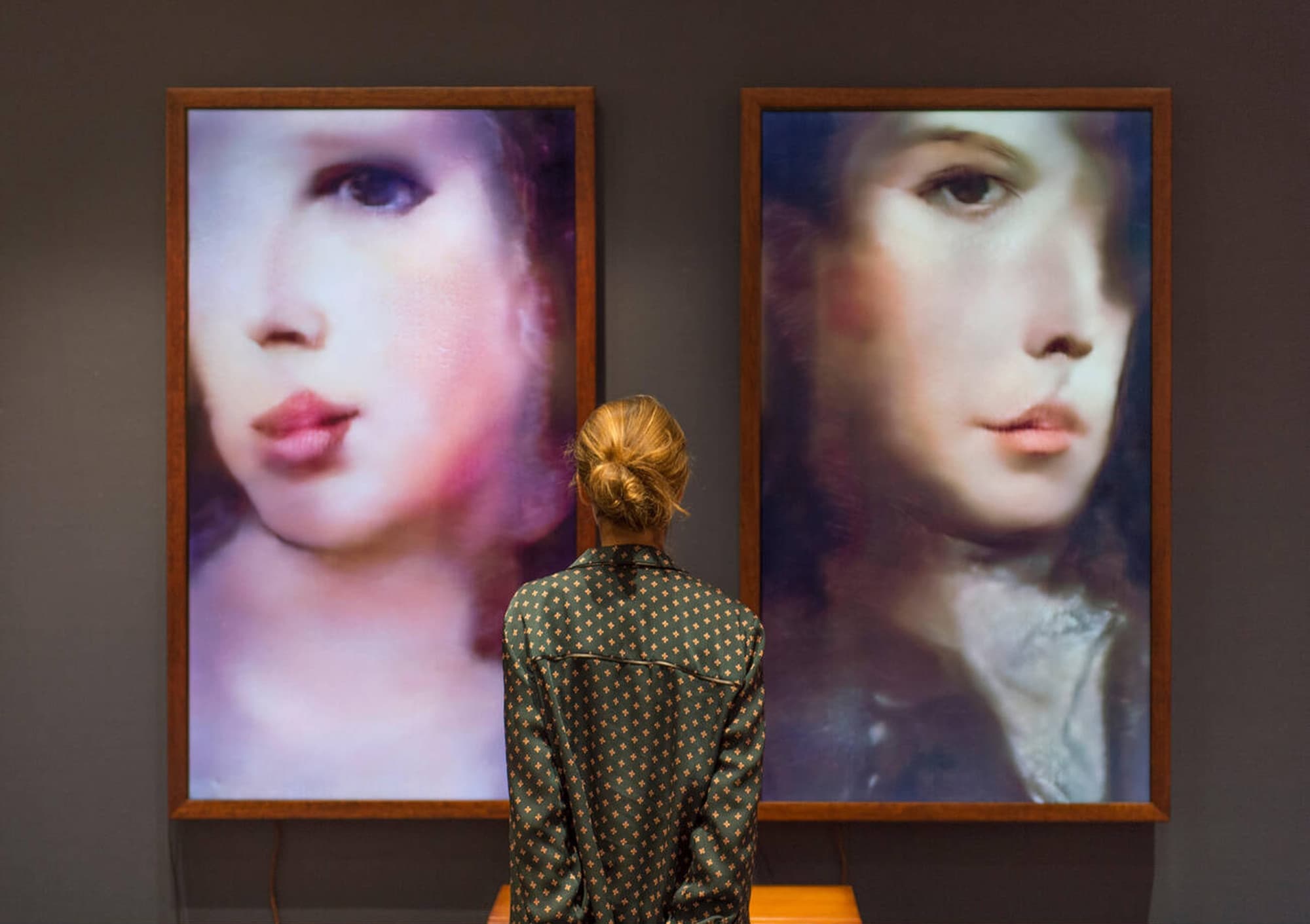
Artificial intelligence (AI) has rapidly infiltrated the creative sphere, transforming how artwork is conceptualized, created, and distributed. From AI tools capable of generating intricate paintings to algorithms designing sculptures or entire exhibitions, the role of AI in art creation is no longer speculative—it is a pressing reality. While the technological breakthrough is awe-inspiring, it raises profound ethical questions that challenge traditional definitions of creativity, authorship, and the value of art.
This article explores the ethics of AI-generated art through a structured analysis of its history, ethical dilemmas, intellectual property issues, societal implications, and future outlook.
Introduction
Where do we draw the line between human creativity and machine output? AI-generated art, which utilizes algorithms and data models to create imagery, music, or text, has ignited heated debates within artistic, technological, and academic communities. Supporters see it as a groundbreaking tool that democratically decentralizes creativity, while critics argue it devalues human ingenuity, exacerbates inequality, and raises pressing moral questions. Artistic ethics, a nuanced field even before AI, has since been disrupted by automation, leading us into uncharted territory.
This piece analyzes the multifaceted ethical concerns specific to AI-generated art, underscoring the complexities of balancing innovation and morality.
Historical Context of AI in Art
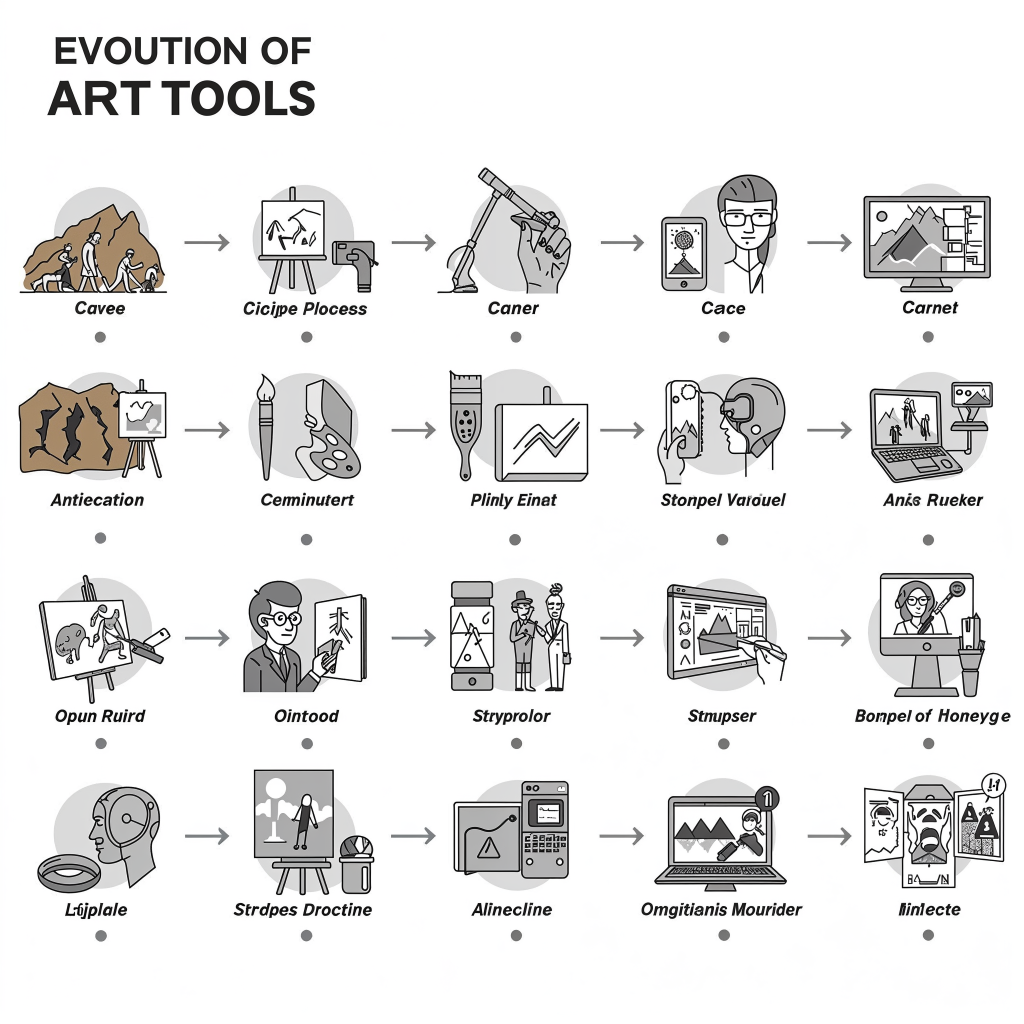
The concept of machines generating art predates the modern AI we use today. Early forays into automated creativity can be traced back to experiments with mechanical processes, such as the automaton sketches of the 18th century. However, the 20th century saw a more purposeful intertwining of technology and art.
1960s: Artists like Harold Cohen pioneered computer-generated imagery, programming machines to render shapes and patterns via algorithms.
1980-1990s: Generative art emerged, wherein artists prescribed rules for algorithms to create unique works.
21st century: AI art evolved further with the advent of machine learning and deep neural networks. Tools like GANs (Generative Adversarial Networks) provided the ability to "teach" machines how to mimic artistic styles or produce entirely novel visuals.
While these advancements unlocked extraordinary creative possibilities, they simultaneously birthed philosophical dilemmas about whether machines can possess creativity or merely simulate it.
Ethical Dilemmas in AI-Generated Art
Central to the debate on AI-generated art lies a web of ethical dilemmas that touch on creativity, originality, and morality.
Redefining Creativity
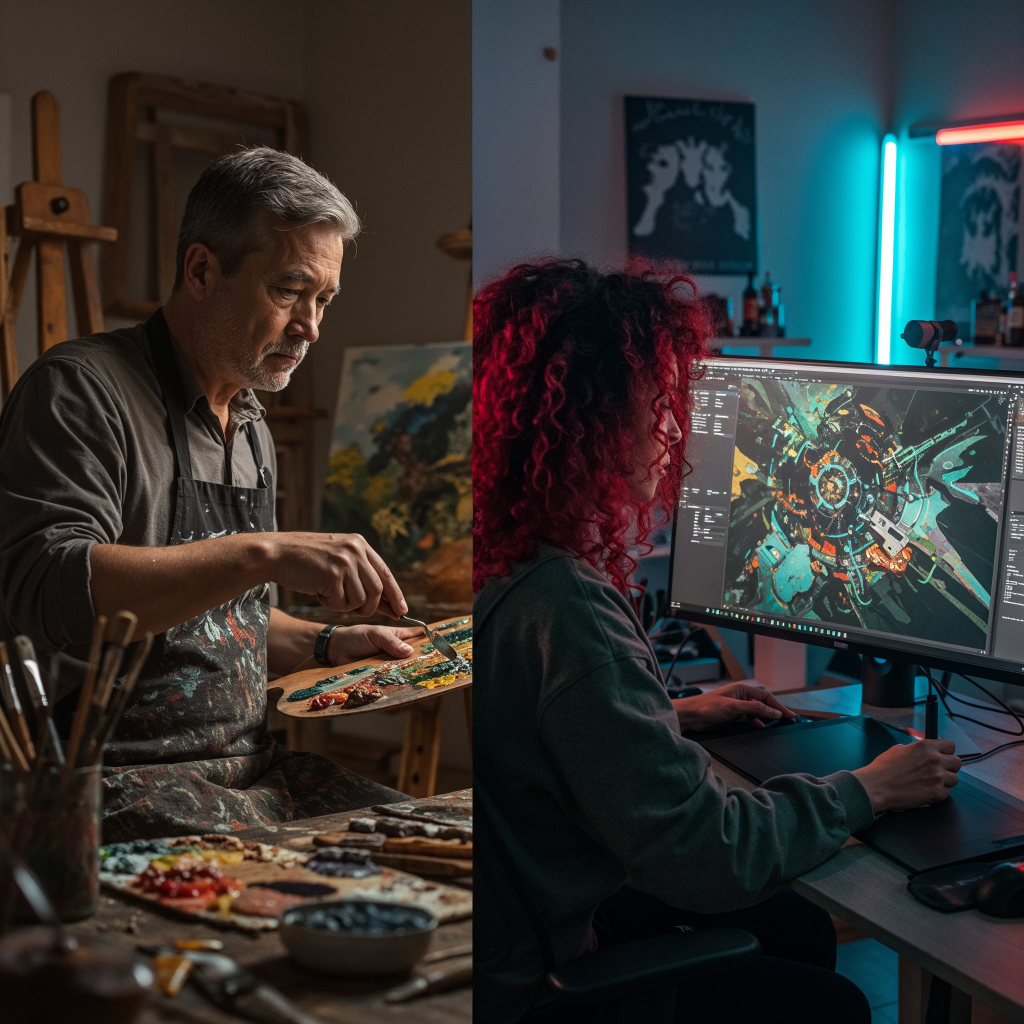
Traditionally, art has been viewed as a vessel for self-expression and cultural storytelling, deeply tied to the human experience. Critics argue that AI lacks subjectivity, emotional depth, or lived experience, disqualifying it from truly "creating" art. Instead, AI-generated outputs are seen as computational exercises, not creative acts.
Supporters counter that creativity is not solely human and that AI tools should be viewed as collaborative partners, much like any artistic medium—from paintbrushes to film cameras. Does the ability to analyze and reinterpret vast data sets qualify as a new form of creativity?
Bias in the Dataset
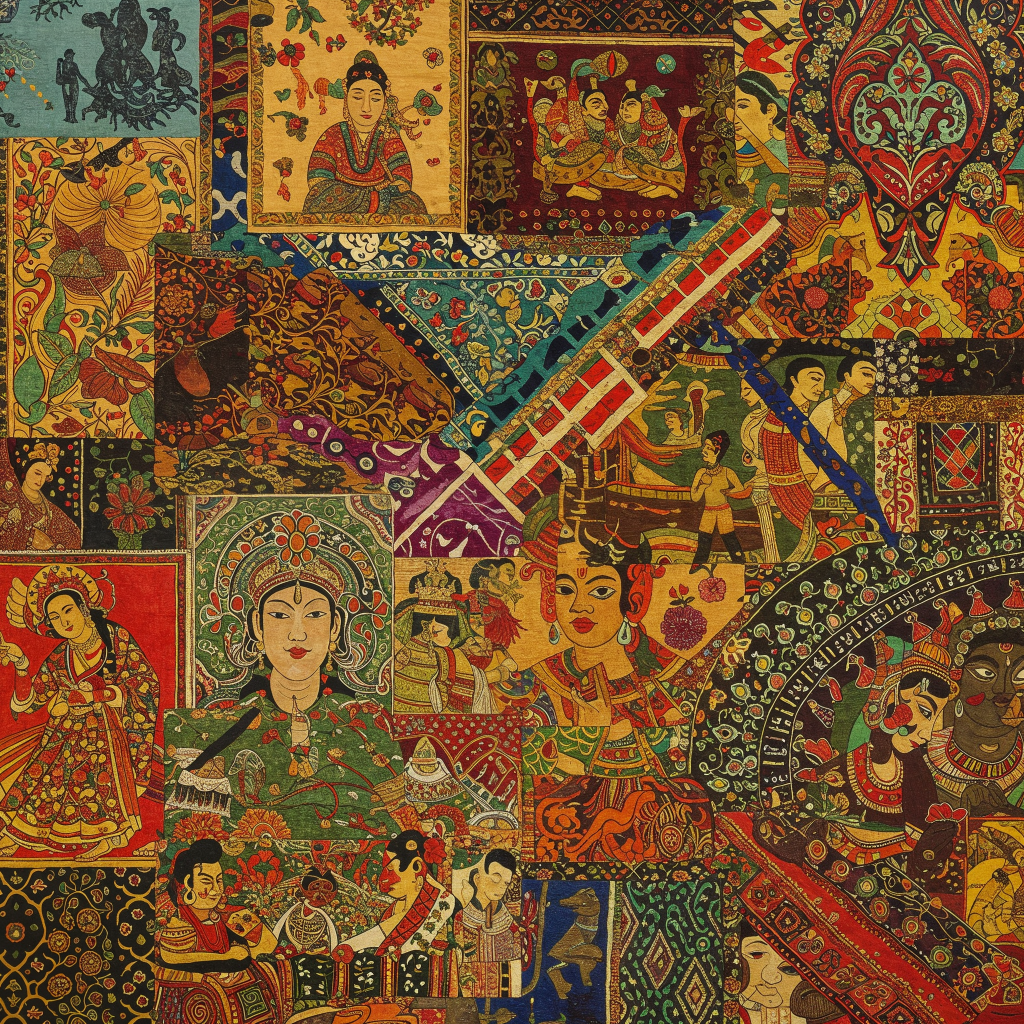
AI models rely on massive datasets to learn artistic styles. These datasets often reinforce existing cultural, racial, and gender biases present in the data. For example, an AI trained predominantly on Western art history would likely perpetuate Eurocentric artistic norms, marginalizing non-Western traditions. Is it ethical to allow such biases to continue without intervention?
Job Security for Artists
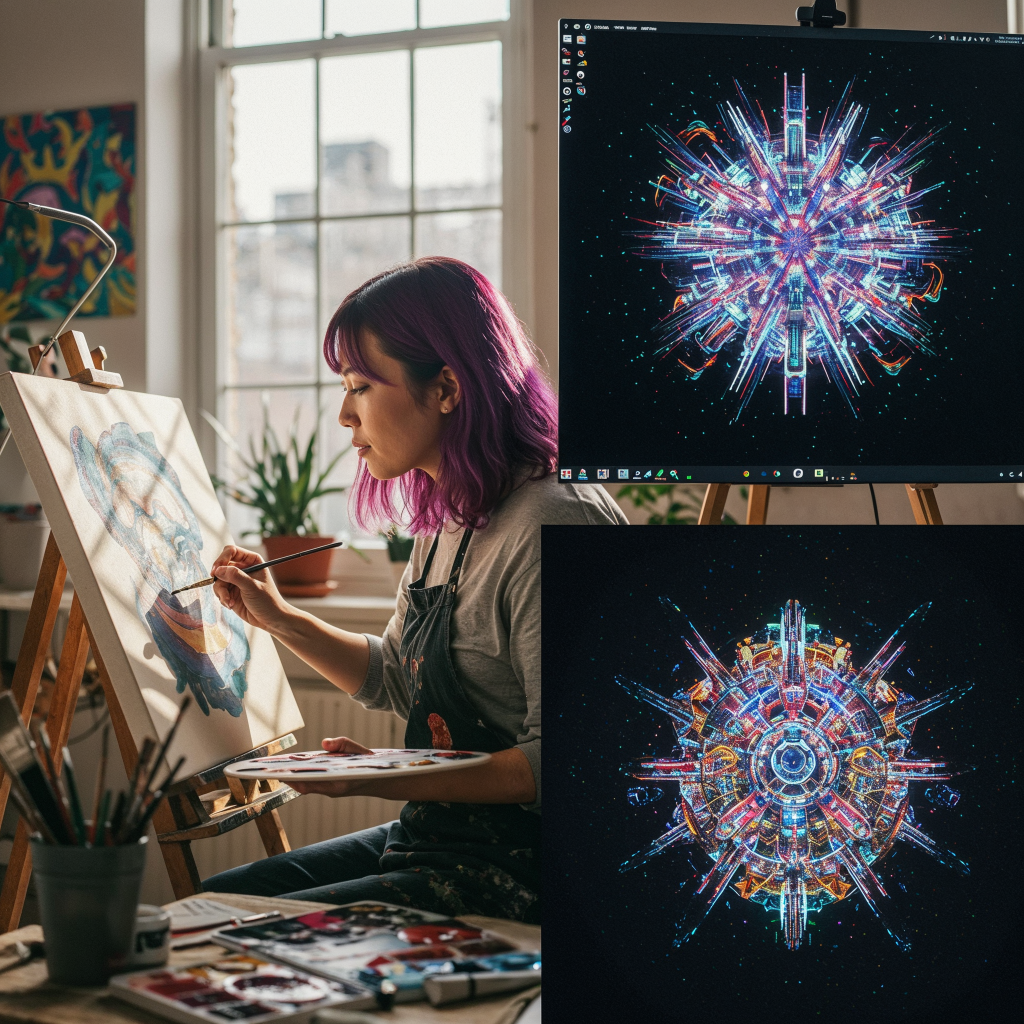
AI-generated art threatens to displace human creators across various industries, from graphic design to fine arts. Automated tools can produce "original" works at a fraction of the cost and time needed by human artists. With livelihoods at stake, is the rise of AI in art an inevitable trade-off for progress, or does it undermine the social value of human craftsmanship?
Intellectual Property Concerns
The rise of AI art generates thorny questions surrounding intellectual property (IP)—an already complex legal domain amplified by technological innovation.
Originality and Ownership
Who owns the rights to an AI-generated piece of art? Is it the artist who programmed the algorithm, the developer of the AI tool, or the end-user who directed its output? Compounding the issue, AI often models its creations on pre-existing works. This "training" process may inadvertently involve reproducing or mimicking existing artistic styles without the original creators' consent. For traditional artists whose work informs an AI tool's dataset, the lack of acknowledgment or compensation feels exploitative.
Copyright Law
Most copyright frameworks were not designed to accommodate non-human creators. AI art raises the question of whether copyright protections should include non-human entities or whether developers and users hold exclusive rights. Current legislation often fails to keep pace with the rapid advancement of generative AI, creating a murky legal framework.
Plagiarism in AI Art
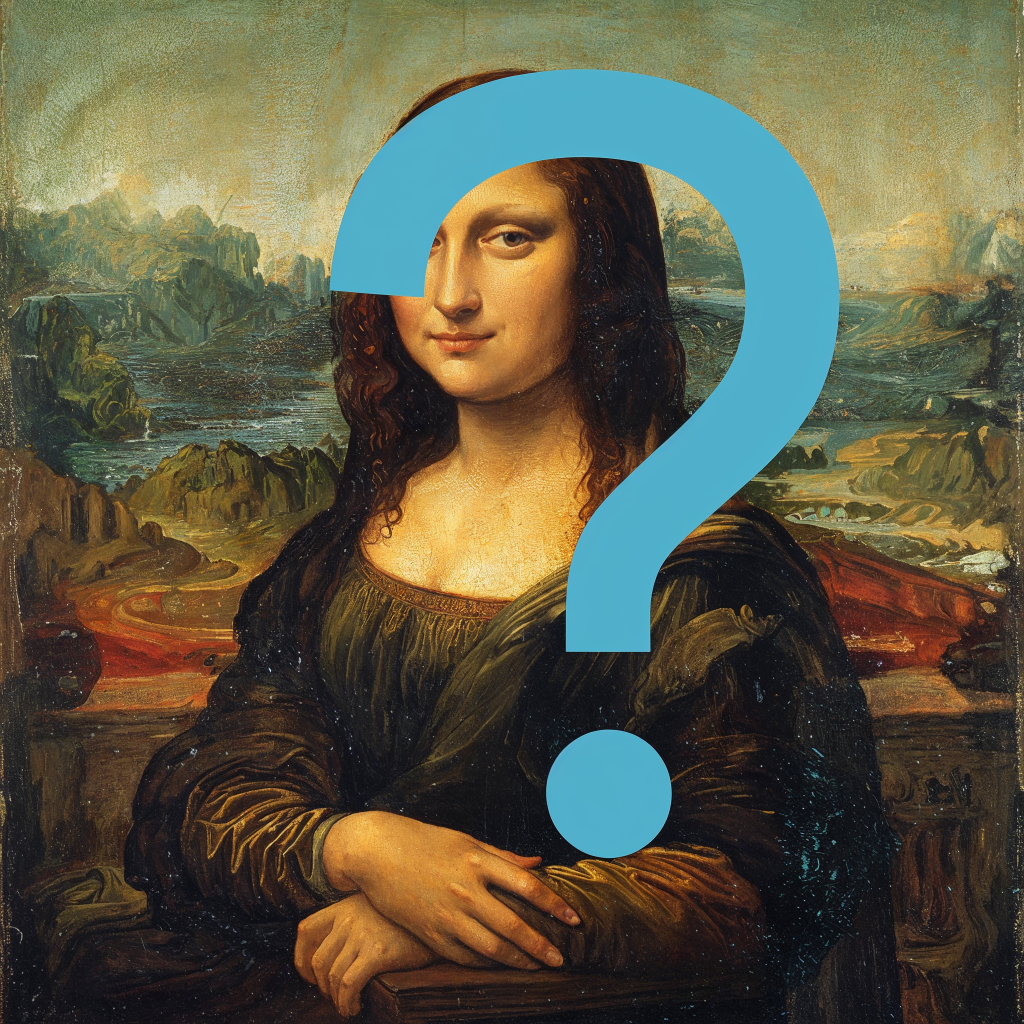
The replication of artistic styles, even when original works are not directly replicated, ignites debates about plagiarism. When does homage end, and theft begin? Without safeguards, AI risks cheapening the value of genuine creativity by allowing users to closely emulate well-known styles with little effort.
Societal Implications
AI-generated art extends beyond the ethical and legal challenges faced by artists, developers, and institutions. Its societal implications deserve thorough consideration.
Democratizing Access vs. Centralizing Power
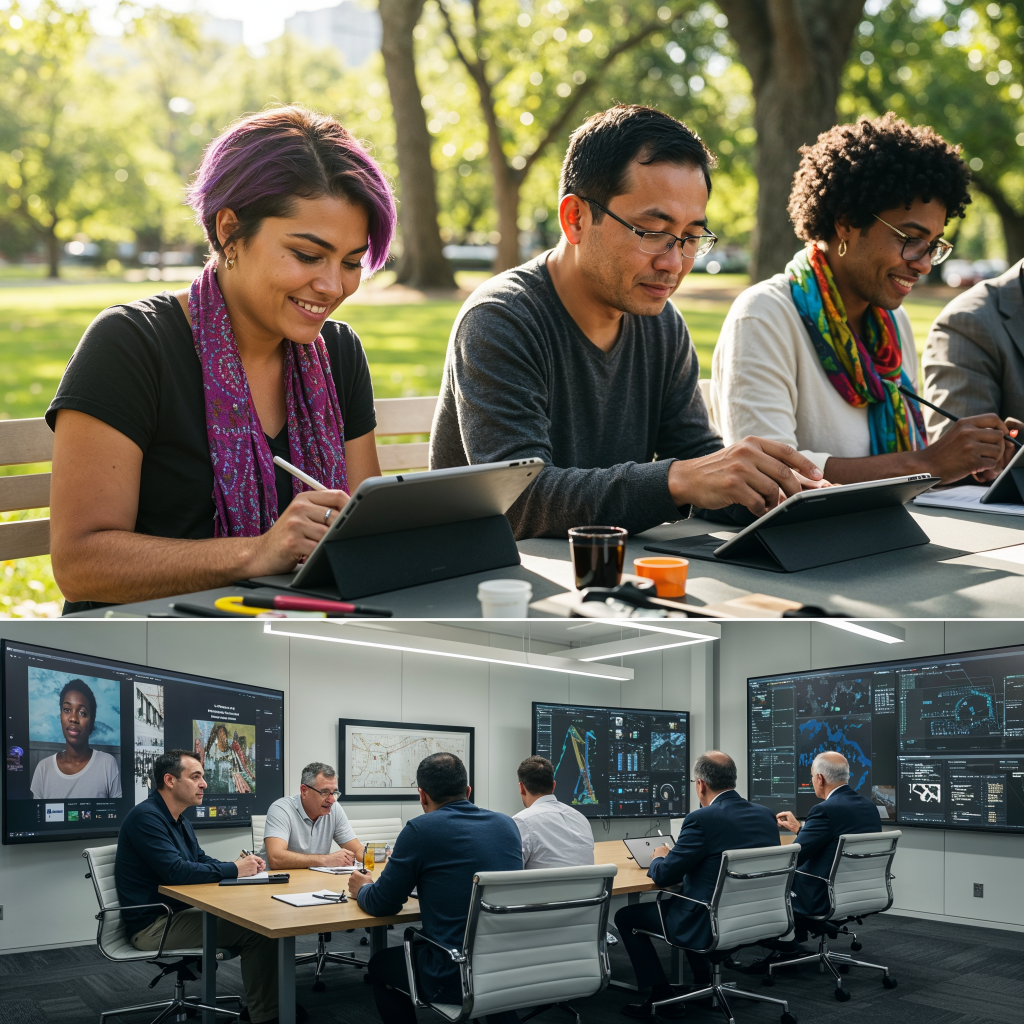
Advocates argue that AI levels the playing field, allowing individuals without traditional artistic skills to create sophisticated works. Collaborative platforms using AI further democratize art-making, making creativity accessible on a global scale.
Conversely, the development and ownership of high-functioning AI systems are predominantly controlled by tech giants and corporations. Critics fear an increasingly centralized artistic industry where wealthier entities monopolize creative tools while independent artists are left behind.
Cultural Homogenization
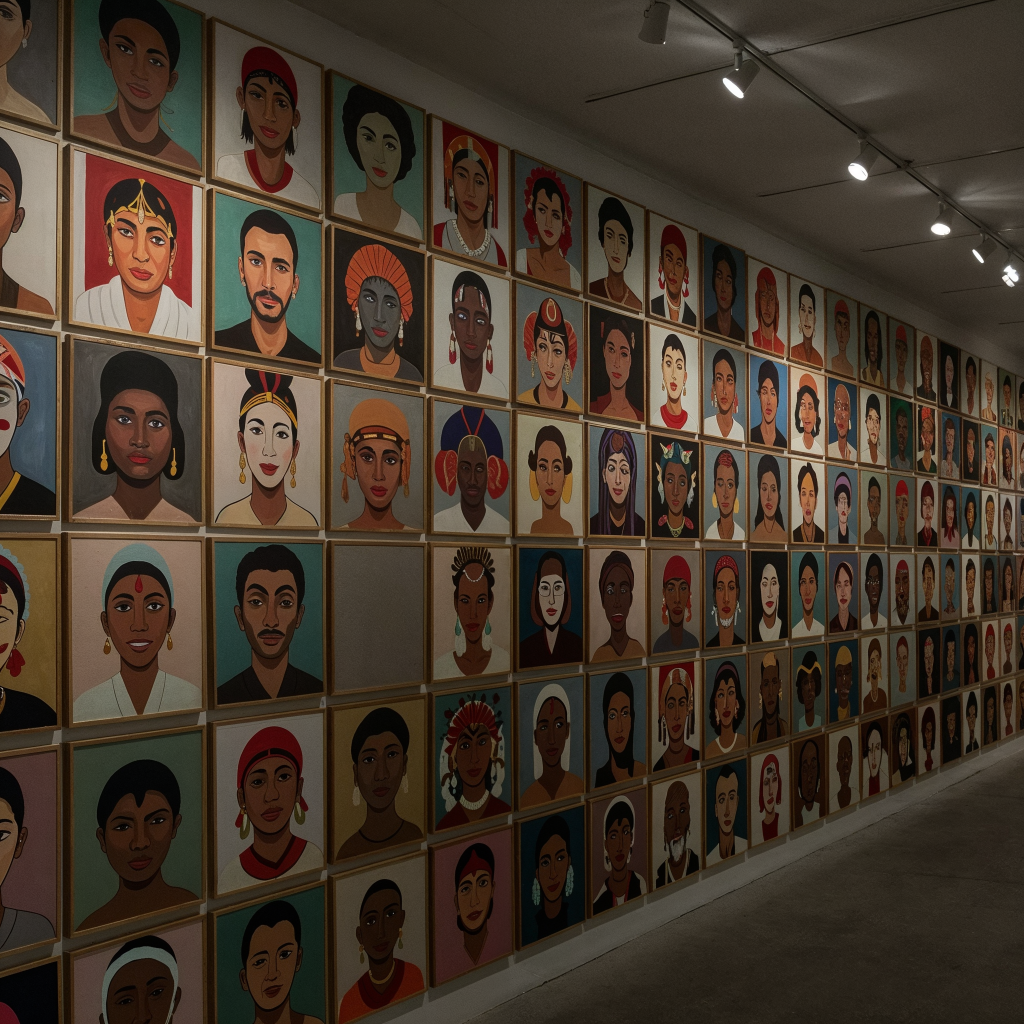
A reliance on data-based creation risks oversaturating the world with repetitive, homogenized works. Without a uniquely human touch, AI art may perpetuate existing trends and stifle the cultural diversity that defines art.
Impact on Art Appreciation
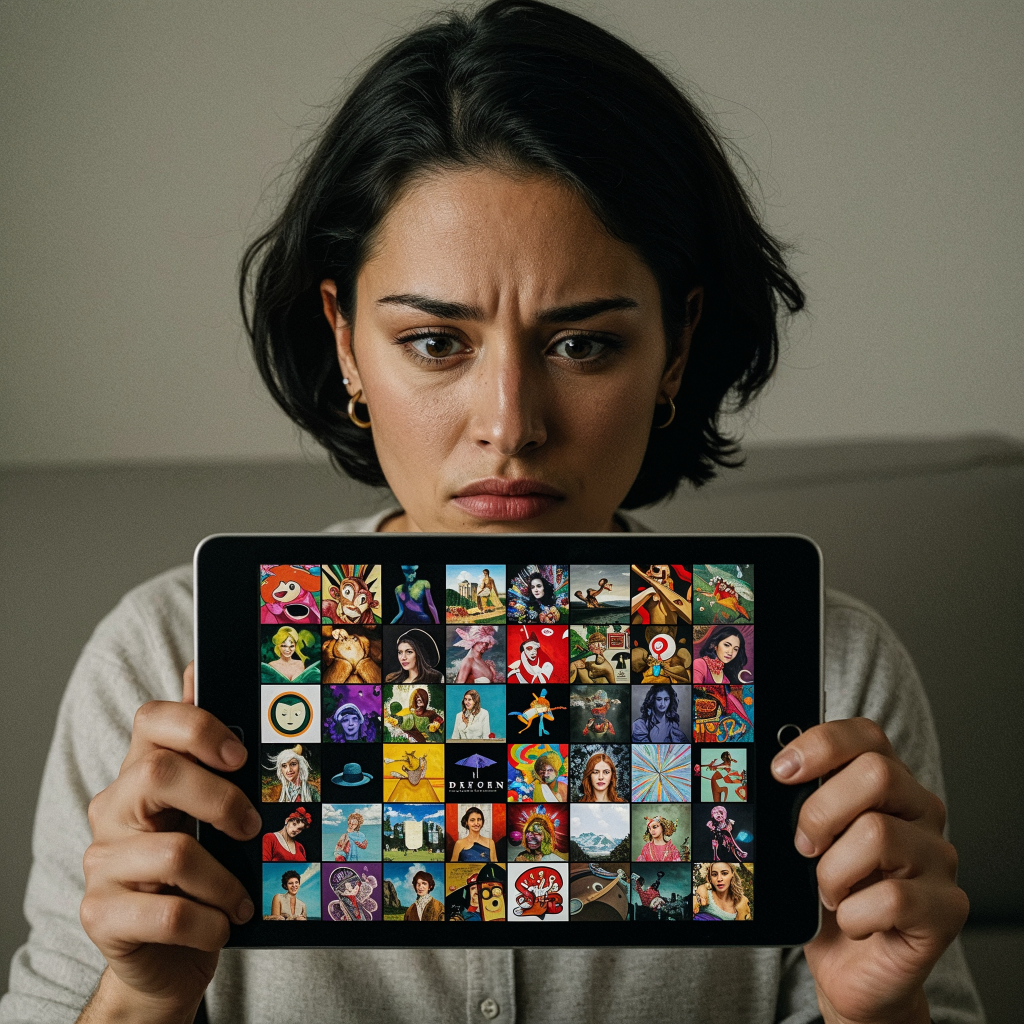
AI-generated art can make creative works more disposable. With high volumes of automatically created art flooding markets and social media, the intrinsic value of originality and effort may erode, impacting how we appreciate hand-crafted art.
Future Outlook
The future of AI art will hinge largely on how societies, policymakers, and artists address its challenges and opportunities. Several key trends are emerging:
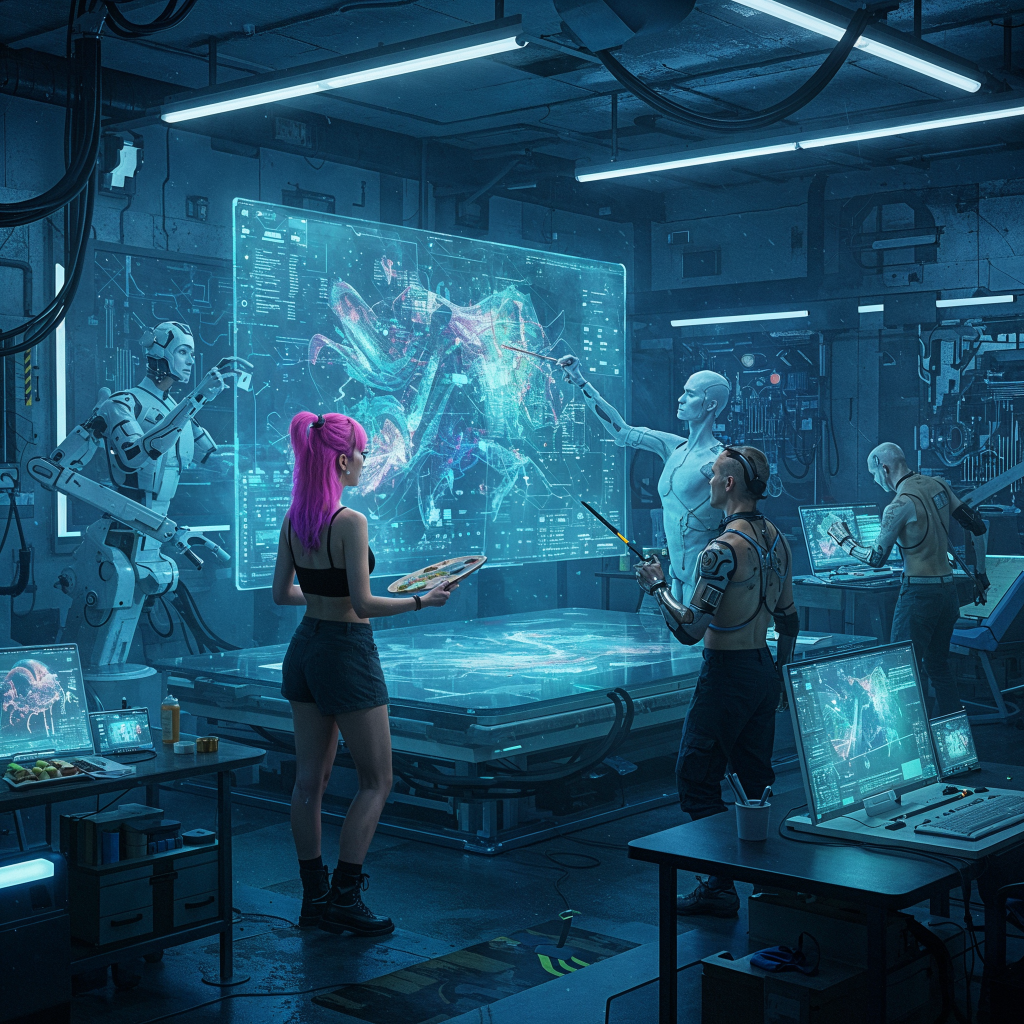
Hybrid Creativity: Many foresee new avenues for hybrid creativity, where human and AI collaboration leads to groundbreaking art forms.
Ethical and Legal Frameworks: Calls for regulations that ensure transparency in dataset creation, fair usage rights, and protection for human artists are growing more urgent.
AI as Medium, Not Creator: Discussions around reframing AI as a tool for aiding human creation rather than creating independently may reset public attitudes around its artistic roles.
Audiences as Curators: With dynamic AI art sometimes requiring audience input, individuals may evolve from passive viewers into active curators, introducing communal creativity into the equation.
Final Thoughts
The ethics of AI-generated art presents a deeply complex and evolving discourse. Technology has opened unimaginable doors for creativity, but it also demands thoughtful consideration of its consequences. By addressing these dilemmas consciously, society can ensure that technological progress enriches, rather than undermines, the essence of art. The balance between innovation and ethics will define not just the future of AI art but the future of creativity itself.